I Journaled for 30 Days. Here’s What I Noticed
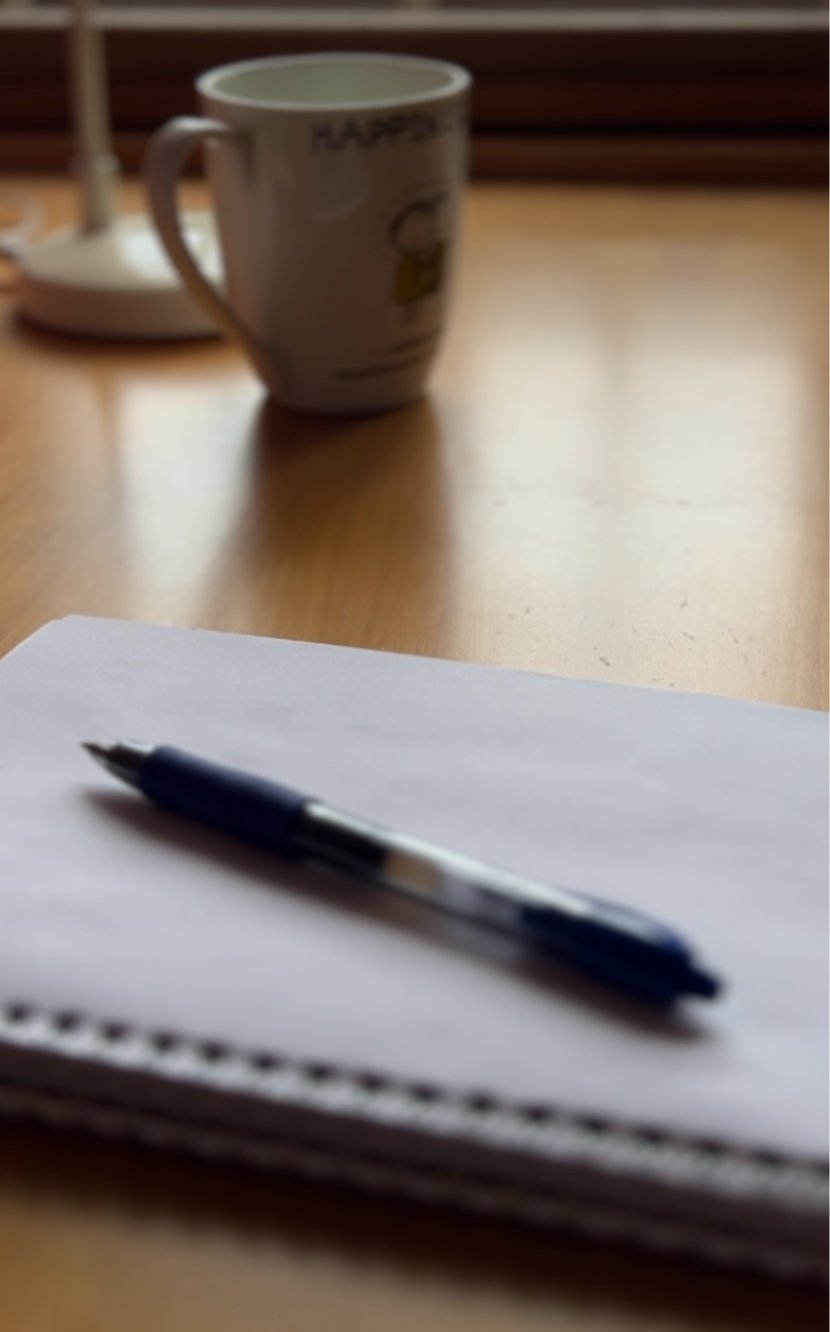
I started journaling for a very simple reason: I wanted to know if I could actually do it. I had tried journaling a few times before, always with good intentions. I'd write for a few days and then quietly stop. So when I was deciding what the first Slow Study for Slowly Curated should be, journaling felt like the right place to begin — it was something I had already wanted to do, even if I didn't go into the month expecting it to change my life. Mostly, I was curious about one thing: would I be able to stick with it?
The answer is yes*. I missed about three or four days, and honestly, I'm glad I did. Because one of the things this month taught me is that consistency isn't necessarily about doing something perfectly every single day. Sometimes it's about returning when you want to. That became one of the unexpected lessons of my first Slow Study.
I thought I knew what journaling was supposed to look like
Before I started, I had a very particular picture of what a journal should be. It should be pretty. It should be aesthetic. It should contain thoughtful, meaningful entries about the day — the big moments, and maybe some beautiful little observations along the way. Somewhere in my mind, I think I also believed I needed to have done something that day to have something worth writing about. A good day would produce a good journal entry. An important day would produce an important page. A productive day would give me something to record.
I didn't realize how much pressure I had attached to something that was supposed to be a simple practice. During the first week, I kept wondering whether I was doing it right. Was this meaningful enough? Was I writing enough? Should I be writing about what happened that day, or using a prompt? Should the page look a certain way? Eventually, I had to make up my mind: there is no correct way to journal. That was probably the first thing that made the practice easier.

Some days, journaling really did feel like a task
I don't want to romanticize the 30 days. Sometimes I didn't want to journal. There was one day when I felt anxious, completely demotivated, and mentally exhausted — the last thing I wanted to do was sit down and write about what was already making me feel bad. I didn't have the mental energy to revisit it. And there were other days when journaling simply felt like another thing I had to do.
But there were also days when something strange happened. I would sit down thinking, I don't feel like journaling today, and then I would start writing anyway. Somehow, I would end up filling an entire page. There were even days when I journaled twice. That contrast surprised me. The motivation didn't always come before the practice — sometimes it came after I started. And that made me less interested in finding the perfect time, mood, or mindset to journal. Sometimes you can begin without feeling ready.
Not every entry needs to teach you something
This was probably one of the biggest surprises. I thought I would finish some of my entries with clarity. Instead, sometimes I wrote about dinner. There was a day when I sat down because I was confused about a decision — I had been thinking about it so much that I couldn't focus properly throughout the day. I thought that if I wrote everything down, I would finally reach a conclusion. But somewhere along the way, my thoughts simply kept moving, and suddenly I was writing about what I had eaten for dinner. The confusion had temporarily disappeared from the page.
At first, I might have considered that a failed journaling session. What was the point if I didn't solve anything? But now I think that's part of the point. Not every thought needs to become a conclusion. Sometimes you just need somewhere to put it. Sometimes writing doesn't give you an answer — it simply gives your thoughts enough room to move around. And sometimes, while they are moving, something else catches your attention. Like dinner.
I started noticing things I would normally overlook
Some of my favourite entries weren't about anything important. I wrote about how my desk needed to be dusted. I wrote about how much I liked the light falling across my notebook one day. These weren't moments I would have considered significant enough to record before, but they were part of my day, and journaling made me notice them.
I think that's where my understanding of intentional living started to change. I used to think intentional living was mostly about doing things intentionally — choosing better habits, making better decisions, being more productive, improving myself. Now I think the first step might be much simpler: notice. Notice what you're thinking. Notice what you're feeling. Notice the light on your desk, notice that you're tired, notice the thought that keeps returning, notice that you're putting pressure on yourself again. Before you can decide what to do with something, you have to notice that it's there.
If you want somewhere to start, we made something for you.
Ten prompts. No pressure to write every day, no expectation that any of it needs to be meaningful. Just a place to begin noticing — the way this post did.
Get the free Journaling Starter Kit →
Always free. No catch, nothing to buy.
The thing I didn't expect to find on the page
There was one particular worry that kept appearing in my entries. I didn't always realize it was there while I was going about my day, but when I looked back, I could see it returning again and again. That made me realize something about myself — sometimes I think I know what I'm feeling, but what I actually have is a polished version of it. Especially in the beginning, my entries often sounded more put-together than what was actually happening in my head. Writing gave me a place where the thoughts could become less polished, and that was useful.
One recurring situation involved being stuck between two decisions. I would overthink it for hours, unable to focus properly because I was trying so hard to reach the right decision. Eventually, I wrote about it, and somewhere in that process, I started asking myself a different question: what if I were a little more lenient with myself? I realized how much I expected perfection from myself, even in very small things. I wanted to make the right choice. I wanted to handle things correctly. I wanted to know the answer before allowing myself to move forward. Journaling didn't suddenly fix that, but it did let me see it. Maybe two or three times out of ten, I found myself being a little kinder to myself instead of immediately demanding more. It's a tiny change, but I don't think tiny changes should be dismissed just because they aren't dramatic.
Three things I didn't expect journaling to teach me
1. Journaling can make you a little more accepting of yourself. I thought journaling might help me understand my thoughts. I didn't expect it to make me question the standards I was holding myself to. There were moments when writing slowly became a way of consoling myself — not because I had solved the problem, and not because I had suddenly become confident, but because after writing everything down, I could sometimes see that I was being harder on myself than I needed to be. That was new for me. And it was quiet. I wouldn't call it a transformation, but I noticed it.
2. Your journal doesn't need to contain a meaningful life. This might be the biggest misconception I had about journaling. I thought a journal was supposed to be a beautiful record of your life, but a journal isn't necessarily a highlight reel. Some days contain something worth remembering. Some days contain a difficult thought. Some days contain a dusty desk, or what you had for dinner, or almost nothing at all. That doesn't make the page pointless. Your journal doesn't have to prove that you had an interesting, productive, or meaningful day — it can simply hold the day as it was.
3. Journaling became a place where I could know myself a little better. This was the change I really didn't see coming. I thought I was starting a writing practice. Instead, I found a small place where I could meet myself without needing to have everything figured out first. I could write when I was confused, when I was excited, when I had nothing particularly interesting to say, or when I had something messy and unfinished that I wanted to return to later. Over time, I started recognizing certain patterns — what kept bothering me, what made me happy, what I was avoiding, where I was putting unnecessary pressure on myself. Journaling became less about creating a beautiful record of my life and more about paying closer attention to the person living it.
The page I'll probably remember the most
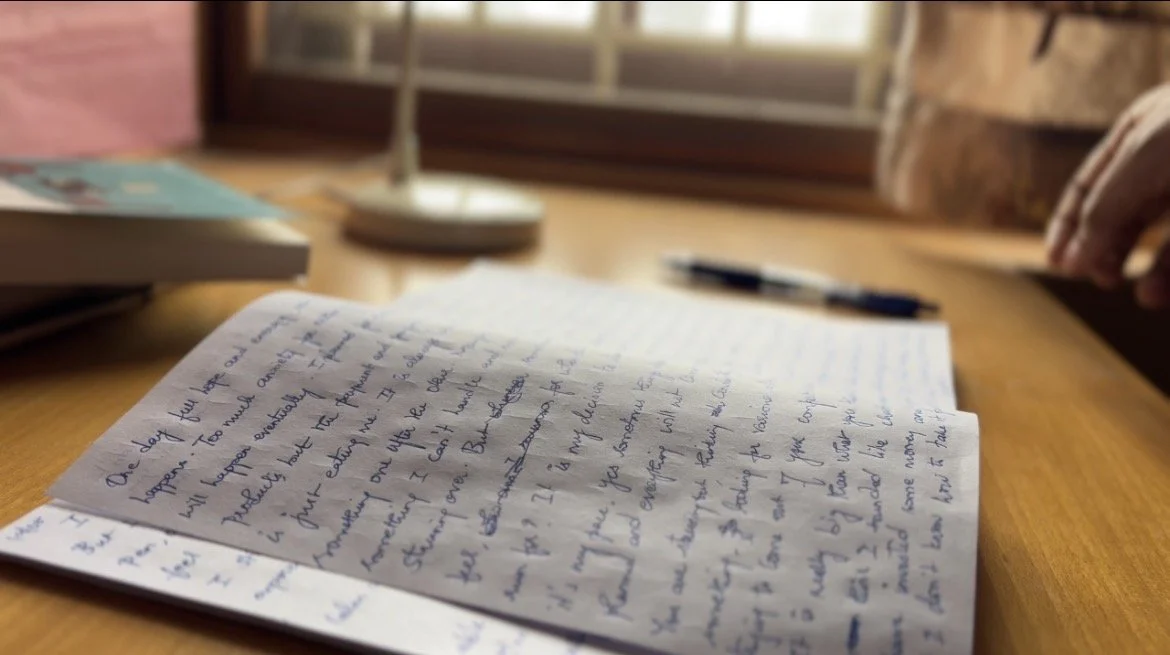
My favourite journal entry from the month was written on the day Slowly Curated finally went live. The page began: "Today feels strange in the best way." Something that had existed in my imagination for months was suddenly real. Slowly Curated wasn't just an idea anymore — it was live. I was excited, I was anxious, and I had barely slept the night before because I kept thinking about the launch. I was also proud of myself, especially because I hadn't been feeling well that day, and a part of me wanted to postpone it again. I had been postponing it for months. But that day, I clicked publish anyway.
I wrote about waking up too early, the way I used to on exam mornings, with my mind already awake before the rest of me. I wrote that I didn't know how it would go, and then I wrote that I hoped that a few months later, I would come back to that page and smile because it was where everything began. That entry wasn't about journaling, but journaling gave me somewhere to witness that moment. I think that's one of the things I value most about it now — it lets you catch yourself in the middle of becoming something.
So, was journaling every day for 30 days worth it?
Yes. But probably not for the reasons I expected. It didn't make me perfectly consistent. It didn't solve every problem. It didn't give me clarity every time I asked for it, and it certainly didn't turn every day into a meaningful entry or transform me into a completely different person.
What it did was much quieter. It made me notice. It helped me see how often I expected perfection from myself. It gave some of my thoughts somewhere to go, and it made ordinary moments feel worth noticing. It became a place I could return to, even after missing a day. I think that's what my first Slow Study taught me about consistency, too — you don't have to be perfect at returning, you just have to keep the door open.
Maybe the point of a Slow Study isn't to become exceptionally good at the thing you're studying. Maybe it's to pay closer attention while you're doing it. For me, journaling was the beginning of learning how to notice, name, and return to myself. And I think it was exactly where Slowly Curated needed to begin.
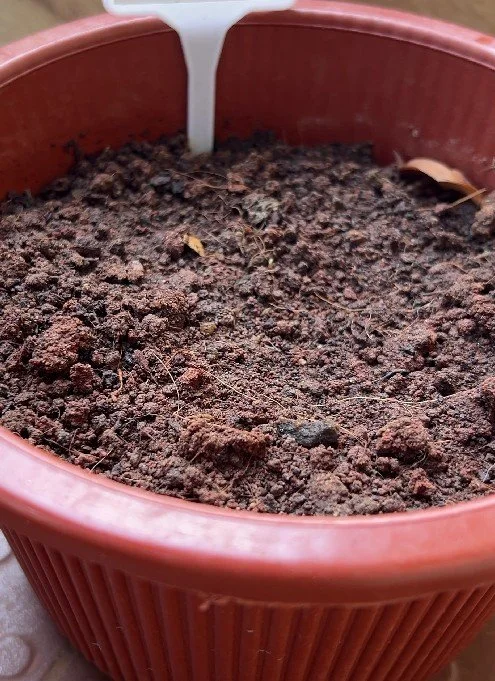
Next month: growing something slowly.
I'm moving from pages to pots. Next month, I'll be learning about growing herbs indoors, and I'm excited about it for a completely different reason. Journaling taught me that some things need space. Growing something might teach me that some things need time. A plant doesn't care how badly you want it to grow today — you can water it, give it light, pay attention to it, try to care for it well, but you cannot force it to become tomorrow what it is meant to become later. Maybe that's another lesson worth learning: some things require waiting, and that waiting is not wasted time. It is the work. You cannot hurry something alive.
Next month: growing something slowly.
