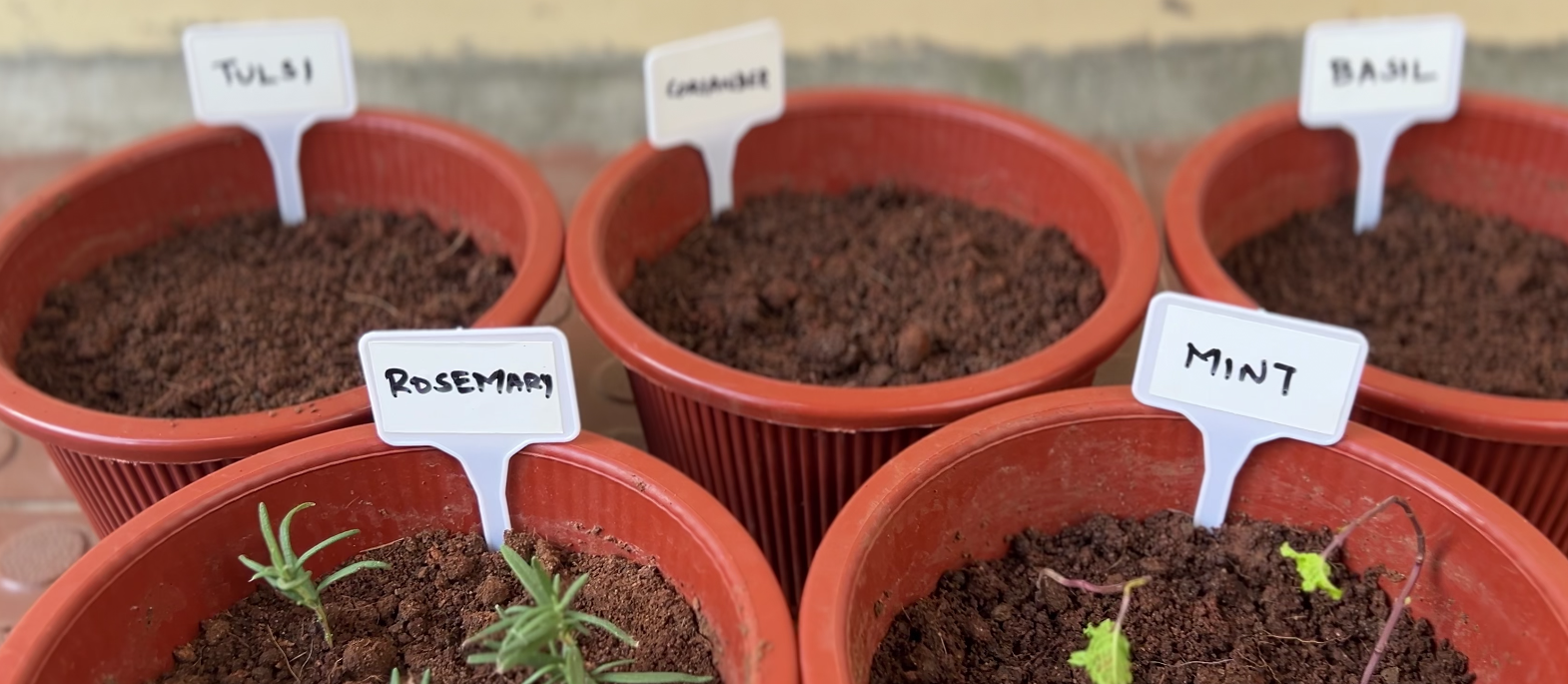
Three weeks into growing coriander, mint, rosemary, tulsi and basil, the plants are giving different answers.
The coriander finally has its first proper coriander-shaped leaf. The mint gave me a tiny bit of green and then lost it. Rosemary is still alive but barely looks different. And tulsi and basil? Still nothing.
Somehow, all of this happened in the same week.
The first Coriander-shaped leaf
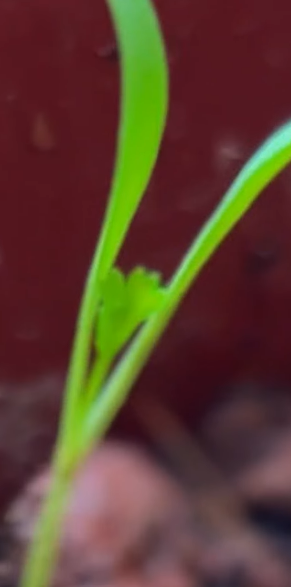
A few new coriander plants had emerged this week, and the first plant finally developed its coriander-shaped leaf.
It was tiny, but it looked unmistakably like coriander.
“Oh! It’s really coriander.”
I looked at it again later because I was genuinely excited to see how it would eventually look. After waiting for the coriander to sprout, it was nice to finally see a leaf that made its identity obvious.
This was also the new plant that appeared after the first little coriander plant died last week. After feeling bad about moving the small stone and then watching the plant die the next day, seeing this new one grow into the first coriander-shaped leaf felt especially nice.
A tiny bit of hope
Mint was a completely different story.
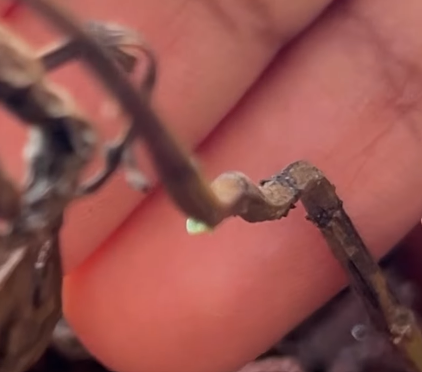
Four of the stems had dried completely, while one plant was still fresh with a few tiny leaves. Then, on one of the brown and seemingly dead stems, there was a tiny trace of green.
It looked like a new leaf might be emerging from a stem that otherwise looked completely gone.
For two days, there was a little hope that the mint might come back.
Then the tiny green point disappeared.
It was such a small change, but its disappearance was surprisingly disappointing. The plant had briefly offered a possibility, only for it to disappear before there was any chance to know what it meant.
Still trying to read the rosemary
Rosemary has been much harder to understand.
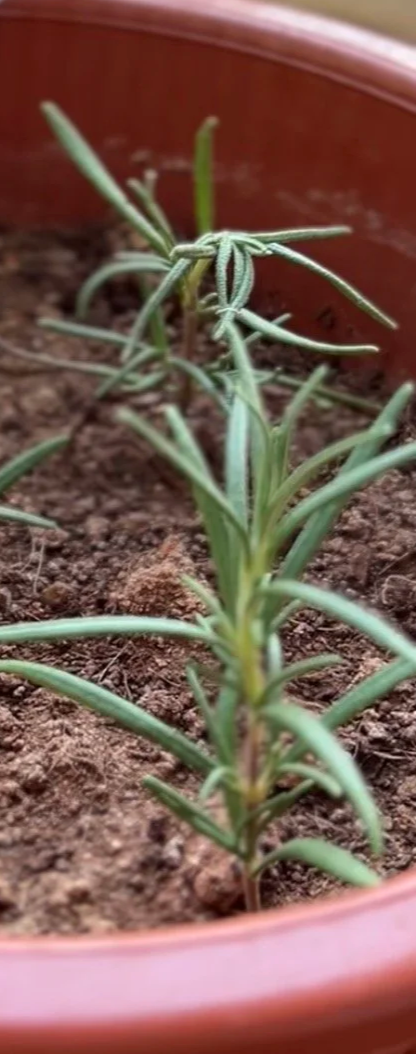
One plant has completely died, two cuttings are almost dead, and two are still fresh. There also seem to be a few tiny new leaves on the healthy cuttings, although it is difficult to be certain.
Rosemary looks almost exactly the same every time. I even compared an older photograph with the current one to see if I could spot a difference, but still can’t clearly tell.
It is definitely alive. I just don’t know how long it will take before the growth becomes obvious enough to look at and say, yes, this has grown.
For now, there isn’t a clear answer.
And then there are tulsi and basil
Nothing.
Tulsi and basil were probably the most disappointing part of the week. I had watched videos of people growing them easily, so seeing mine do nothing made me wonder whether something had gone wrong.
That uncertainty was more frustrating than the lack of growth itself. When something is growing, even slowly, there is something to observe. When nothing happens, there isn’t an obvious clue about what needs changing.
Comparing the pots with other people’s results made it feel, for a little while, like perhaps I had failed at something that was supposed to be easy.
Eventually, the comparison was let go. The pots were left as they were, even though they were still checked every day.
A small pause
If you’re also growing something slowly, you might know this feeling — checking for a change and wondering whether you’re doing enough.
I’m sharing these weeks as they actually happen, including the confusing parts, because Slow Study isn’t about getting good at something quickly. It’s about staying with one ordinary thing long enough to notice what you normally rush past.
If you’d like to follow along with the rest of this month’s Slow Study, Join The Slowly Letter. I’ll share the small observations, lessons and things I’m noticing along the way — beyond what makes it into the blog.
Looking for certainty
Maybe that was the real feeling underneath this week: wanting certainty.
Is the mint actually coming back? Is the rosemary growing? Why aren’t the tulsi and basil sprouting?
The rosemary especially brought out this habit of looking for tiny differences. Old photographs were compared, leaves were examined, and small changes were searched for because there wasn’t an obvious sign of growth.
But the plants weren’t giving very clear answers.
The coriander was growing slowly. The mint gave a little hope and then took it away. The rosemary seemed to be holding on without showing much visible change. The tulsi and basil remained completely quiet.
Five plants, five different stories
Looking at all five pots together made the week feel almost funny.
The coriander was making things exciting. The mint was a roller coaster. Rosemary was confusing. Tulsi and basil were disappointing and frustrating.
And that is probably why this week felt like the week of mixed signals.
The checking has become less frequent, but the curiosity hasn’t gone away. A tiny new leaf still brings excitement. An unexpected change still leads to a closer look. And when something doesn’t seem to change at all, there is still the urge to compare it with an older photograph.
Maybe that is what this Slow Study is beginning to show me.
Paying attention doesn’t mean you’ll always understand what you’re seeing.
Sometimes the value is simply in noticing.
The tiny coriander leaf. The green point that disappeared. The rosemary that is still holding on. The pots that haven’t changed yet.
A month of giving one ordinary thing your full attention doesn’t necessarily give you control over the outcome.
It gives you a closer look at the process.
And perhaps that’s enough.
Three weeks in, I still don’t know how this month is going to end.